- Focus on strengths
- Practical steps
- Works with stress
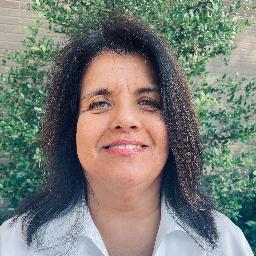
About Mary
Mary Hernandez is an LPC (Licensed Professional Counselor) with five years of clinical experience. She focuses on practical, down-to-earth support for people coping with stress, anxiety, depression, trauma, and compassion fatigue. Mary centers sessions on each persons strengths and works alongside them to find realistic ways forward.
She helps people sort through low self-esteem and motivation, and talks through the aftermath of abuse or assault. Mary also addresses related concerns such as family of origin issues, feelings of emptiness, guilt and shame, and struggles with life purpose. Immigration-related stress and multicultural concerns are part of her background work as well.
Mary emphasizes a collaborative relationship. She believes clients are the experts on their own stories and that therapy is a place to try small changes, practice new skills, and build confidence. Sessions focus on clear goals and practical steps rather than lengthy theory discussions.
Her experience includes supporting people who face caregiver strain, codependency, and isolation or loneliness. She also works with issues that can follow trauma, like post-traumatic stress, and with people affected by domestic violence or sexual assault and abuse.
Mary practices in Texas and conducts sessions in English. To begin, readers should use the sites Start Therapy button to complete a brief matching questionnaire and schedule based on her availability.
How therapeutic approaches translate to online work
Mary practices with evidence-based therapeutic techniques that focus on practical change and symptom relief. One common method she uses emphasizes helping people identify unhelpful thinking and testing new ways of responding; this helps with anxiety, low mood, and stress by breaking problems into manageable steps. Another approach concentrates on processing and reducing the impact of past traumatic events so daily life feels less overwhelming; it can help with post-traumatic stress and recovery after abuse.Choosing the right approach is a collaborative process. The therapist will talk with each person about their goals and preferences and together decide which method seems most useful. That plan can change over time as needs shift and progress is made.
If you are considering online therapy, confirm the available session options before booking since formats are not specified here. Online work can make it easier to fit sessions into a busy week, reduce travel time, and allow for shorter check-ins when needed. It also lets people keep continuity of care when schedules or locations change. Licensed professionals and therapists can adapt their techniques to work effectively in virtual settings while focusing on the clients goals and practical next steps.
Areas of expertise
Additional focus areas
Experience
5+ years
Credentials
Texas
Languages
English
Frequently asked questions
What kinds of concerns does Mary address?
Mary helps people manage stress, anxiety, depression, trauma, and compassion fatigue. She also works with related issues like low self-esteem, guilt, loneliness, and life purpose.
How would you describe her therapeutic style?
Her approach is collaborative and practical. Sessions focus on the clients strengths, goal-setting, and small, manageable changes.
What background and experience does she bring?
She has five years of professional experience working with people who have experienced trauma, abuse, caregiver stress, and cultural or immigration-related concerns.
What are her credentials and where is she based?
She is an LPC, which stands for Licensed Professional Counselor, and she practices in Texas.
In which language can I meet with her?
Sessions are offered in English.
Can people outside the U.S. work with her?
She does not accept international clients at this time.
How much do sessions cost?
Cost varies by location and therapist availability; sessions use a subscription model that can be canceled at any time.
How do I get started with therapy?
Use the Start Therapy button, complete the short matching questionnaire, and then schedule sessions based on the therapists availability.