- Evidence-based techniques
- Workplace wellbeing focus
- Short-term goal work
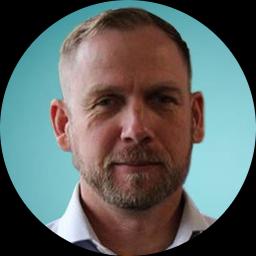
About William
William Russell is an LCSW who centers his work on practical, evidence-based therapy. He helps people untangle stress, anxiety, depression, workplace issues, and struggles with self-esteem. His approach aims to change unhelpful thinking and build clearer choices for day-to-day life.
He blends cognitive strategies with ideas from Stoicism and Existentialism to support decision-making and meaning. Sessions focus on identifying negative thought patterns and testing new behaviors that fit a client’s goals. This can include skills for managing social anxiety, healing from trauma, or clarifying life purpose.
William has eight years of clinical experience and brings that background to work-related concerns and coaching. He also addresses attachment issues, communication problems, guilt and shame, and post-traumatic stress. His experience includes helping people navigate career transitions and workplace stress.
Sessions are offered in English and take place with his Utah practice. William uses therapy tools that emphasize practical steps and personal agency, alongside discussion about values and long-term goals. He aims to make sessions straightforward and focused on problems clients bring.
People who choose him usually work on concrete goals such as reducing panic, improving how they handle workplace conflict, or processing difficult events. To begin, prospective clients complete a short matching questionnaire and then schedule sessions according to his availability.
How evidence-based approaches translate to online care
William uses cognitive approaches that focus on identifying and changing unhelpful thoughts and behaviors, helping people reduce anxiety, depression, and workplace stress through clear, step-by-step techniques. He also draws on acceptance-based methods to help people notice difficult emotions, commit to personal values, and take action even when feelings are uncomfortable.Finding the right approach is part of the work together. The therapist and client assess symptoms, goals, and personal preferences and then choose which methods to emphasize. That collaborative process can include trying a few techniques to see what fits best for the person's life and goals.
The therapist context does not specify online session formats, so confirm current options before booking. In general, online therapy can make it easier to fit sessions into a busy schedule, reduce travel time, and allow shorter check-ins when needed. It can also make it simpler to continue work-focused coaching between appointments, so therapy feels relevant to day-to-day job challenges.
Areas of expertise
Primary focus
Additional focus areas
Experience
8+ years
Credentials
Utah
Languages
English
Frequently asked questions
What kinds of concerns does William address?
He helps people manage stress, anxiety, depression, and self-esteem problems, and he also offers coaching for workplace and career issues.
What is his therapeutic style like?
He uses evidence-based approaches that focus on changing unhelpful thoughts and building practical skills, mixed with conversations about values and personal meaning.
How much clinical experience does he have?
William has eight years of experience working with concerns such as trauma, workplace stress, and life transitions.
What are his credentials and where is he based?
He is an LCSW licensed in Utah and practices from that state.
Are sessions available in other languages or internationally?
Sessions are offered in English. He is not accepting international clients at this time.
What session formats are offered?
The biography does not list specific session formats, so please confirm current session options before booking.
How does payment and cost work?
Cost varies with location and therapist availability; sessions use a subscription model that can be canceled at any time.
How do I start working with him?
Select the Start Therapy button, complete a short matching questionnaire, and schedule sessions according to his availability.