
Lee Watts
LICSW, LCSWFlorida · 23 yrs exp
Experienced therapist focused on work and wellbeing
LGBT · Intimacy-related issues
Read profileTherapist listings are provided by BetterHelp. We will earn a commission at no additional cost to you if you use our links to purchase.
Welcome to our directory of licensed online therapists serving Florida. All therapists listed here hold a Florida license - explore profiles to learn about their focus areas, approaches and languages spoken.
Florida · 23 yrs exp
Experienced therapist focused on work and wellbeing
LGBT · Intimacy-related issues
Read profile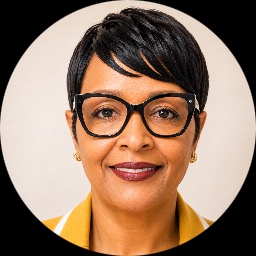
Florida · 7 yrs exp
Compassionate LCSW for life transitions
Stress, Anxiety · Relationship · Trauma and abuse · Self esteem · +1 more
Read profile
Florida · 16 yrs exp
Compassionate guidance for work and life stress
Stress, Anxiety · Relationship · Anger · Depression · +1 more
Read profile
Florida · 10 yrs exp
Caring counselor for work and wellbeing
Relationship · Family · Parenting · Depression · +5 more
Read profile
Florida · 25 yrs exp
Practical, collaborative therapy for work and wellbeing
Stress, Anxiety · Addictions · Relationship · Depression · +1 more
Read profile
Florida · 20 yrs exp
Compassionate support for stress and life change
Stress, Anxiety · Depression · Coping with life changes · Compassion fatigue
Read profile
Florida · 5 yrs exp
Compassionate therapist for workplace wellbeing
Stress, Anxiety · Self esteem · Coping with life changes · ADHD · +3 more
Read profile
Florida · 15 yrs exp
Compassionate counselor for work and wellbeing
Stress, Anxiety · Anger · Self esteem · Coping with life changes · +1 more
Read profile
Florida · 8 yrs exp
Compassionate, practical counseling for life changes
Stress, Anxiety · Relationship · Self esteem · Depression · +1 more
Read profile
Florida · 24 yrs exp
Calm guidance for work and life stress
Stress, Anxiety · Relationship · Family · Self esteem · +1 more
Read profile
Florida · 20 yrs exp
Compassionate, practical support for workplace and life struggles
Stress, Anxiety · Trauma and abuse · Grief · Self esteem · +1 more
Read profile
Florida · 15 yrs exp
Practical support for work and wellbeing
Trauma and abuse · Grief · Self esteem · Career · +1 more
Read profile
Florida · 21 yrs exp
Seasoned LCSW for work and wellbeing
Stress, Anxiety · Addictions · Relationship · Grief · +1 more
Read profile
Florida · 3 yrs exp
Calm practical therapy for work and stress
Stress, Anxiety · Trauma and abuse · Grief · Anger · +1 more
Read profile
Florida · 6 yrs exp
Calm, practical support for stressful times
Stress, Anxiety · Trauma and abuse · Self esteem · Depression · +1 more
Read profile
Florida · 5 yrs exp
Practical therapy for stress and workplace wellbeing
Stress, Anxiety · Relationship · Career · Depression · +1 more
Read profile
Florida · 3 yrs exp
Compassionate support for work and wellbeing
Stress, Anxiety · Self esteem · Career · Depression · +1 more
Read profile
Florida · 4 yrs exp
Compassionate, practical therapy for workplace stress
Stress, Anxiety · Trauma and abuse · Depression · Coping with life changes · +1 more
Read profile
Florida · 20 yrs exp
Therapist focused on practical emotional change
Stress, Anxiety · Relationship · Trauma and abuse · Self esteem · +1 more
Read profile
Florida · 6 yrs exp
Compassionate LCSW for work and life changes
Addictions · Grief · Coping with life changes
Read profile
Florida · 15 yrs exp
Practical support for stress and work challenges
Stress, Anxiety · Sleeping · Self esteem · Coping with life changes · +1 more
Read profile
Florida · 28 yrs exp
Straightforward support for stress and relationships
Stress, Anxiety · Relationship · Family · Self esteem · +1 more
Read profile
Florida · 6 yrs exp
Calm guidance for work and life changes
Stress, Anxiety · Relationship · Family · Self esteem · +1 more
Read profile
Florida · 3 yrs exp
Supportive guidance for stress and career clarity
Stress, Anxiety · Self esteem · Career · Coping with life changes · +1 more
Read profileOnline therapy has become a widely used option for people across Florida who are looking for flexible ways to work on mental health, relationship, and life challenges. In recent years, many licensed mental health professionals in the state have expanded the ways they meet with clients, offering video, phone and messaging formats that can help you connect from home, work or while traveling within the state. Regulations in Florida require practitioners to hold an active Florida license when providing clinical services to residents, which means therapists who provide services online to Florida residents must be authorized by the appropriate state board. Because regulations and best practices evolve, you will want to confirm a therapist's licensure and understand how they offer online sessions before you begin.
Choosing online therapy can remove many practical barriers to getting support. If you live in a rural county or have mobility challenges, online formats can reduce travel time and broaden the pool of clinicians you can work with. You may find therapists who list a wide range of therapeutic approaches and specialty areas among their offerings, and you can often review profiles to compare language capability, professional credentials and focus areas. Online work can also be more adaptable to busy schedules - you can arrange sessions that align with your daily routine without needing to commute. For some people, the ability to meet from a familiar location makes it easier to talk about sensitive topics, while others prefer an office environment; you'll want to choose the setting that helps you feel most comfortable and able to engage.
Therapists offering online services in Florida address a broad array of concerns, from everyday stress and adjustment issues to long-standing mood and relational patterns. You will find clinicians who list approaches that they use with people facing anxiety, depression, grief, workplace stress and family transitions. Many also work with relationship concerns such as parenting challenges, couple dynamics and communication difficulties. For people managing chronic health conditions or caregiving responsibilities, online sessions can be tailored to discuss coping strategies, behavioral adjustments and emotional support. Therapists who list trauma-focused methods among their approaches may work with trauma-related symptoms in ways that emphasize safety and stabilization. When considering your needs, look for profiles that describe a therapist's typical focus and ways of working so you can get a sense of whether their approach aligns with what you are seeking.
Before beginning services, it is wise to confirm a therapist's Florida license and check whether there are any public records related to disciplinary history. You can search the Florida Department of Health license verification portal by entering the clinician's name or license number to view status, license type and expiration date. Licenses commonly held by mental health professionals in Florida include licensed clinical social worker, licensed mental health counselor, licensed marriage and family therapist and psychologist credentials such as PhD or PsyD. When you look up a practitioner, note the exact license type shown on the state site and any public notes about administrative actions. If the listing is unclear, you can contact the board or the Department of Health for further guidance about what the record means. Keeping a screenshot or a printout of the verification results can help you track the information you reviewed and raise any questions directly with the practitioner if needed.
Beginning online therapy is a few practical steps that you can prepare for in advance. Start by reviewing therapist profiles to identify clinicians who list focus areas that match your priorities and who indicate language skills or relevant experience. Look at credentials to understand their professional background and read any bios or practice notes that describe their approach to sessions. When you reach out to a therapist's listed contact method, you can ask about common session structure, whether they meet via video or phone and how they handle communication between appointments. Since you will be meeting remotely, plan to set up a device with a reliable internet connection and find a private space where you can speak without interruption. If you expect interruptions or need increased privacy, consider headphones and a room where you can close the door to create a comfortable environment for talking.
Therapeutic approaches vary, and therapists often describe multiple methods they use. Rather than assuming one label fits every clinician, look for descriptions that explain how an approach is applied in practice. For example, some profiles will note that a therapist draws from cognitive behavioral techniques to help with thought patterns and behavior changes, while others may mention approaches aimed at exploring relationships or past experiences. Remember that a profile listing does not equate to a specific certification; it simply indicates what the therapist lists among their approaches. You can ask how an approach might be tailored to your goals and what a typical first few sessions would involve to get a clearer sense of fit.
Beyond approach and focus, practical factors matter. Consider the languages spoken, the ways sessions are conducted and the types of insurance or payment arrangements the therapist accepts. If cost is a concern, ask whether they offer sliding scale fees or alternative payment options. You may also want to inquire about session length and what to expect regarding cancellations or rescheduling. Communication style can be especially important in virtual work, so look for a clinician whose stated approach to collaboration and feedback feels compatible with how you prefer to be supported. Many people find an initial introductory conversation helpful to gauge rapport before committing to a longer course of work.
On the day of your first appointment, set up a device in a private space where you can focus without interruptions. Make sure your software is up to date and that you have a backup plan in case of connectivity issues, such as a phone option. Have a list of concerns or goals you would like to address and be ready to share any relevant health or treatment history. The first few sessions are often about building rapport, clarifying goals and establishing a plan for moving forward. If something about the format or process does not feel right to you, it is appropriate to discuss this with the therapist and explore adjustments that better support your engagement.
Finding an online therapist is a process that combines practical checks, like verifying licensure, with a personal sense of fit. By focusing on the therapist's listed focus areas, approaches, credentials and language skills, and by preparing thoughtfully for remote sessions, you can make informed choices about who to connect with. Use the profiles on this site to compare clinicians, and reach out to start a conversation that helps you decide what feels most supportive for your needs.
Addictions
836 therapists
ADHD
658 therapists
Anger
1063 therapists
Chronic Illness
653 therapists
Control Issues
1565 therapists
Depression
2748 therapists
Grief
1699 therapists
Isolation / Loneliness
2549 therapists
Midlife Crisis
1268 therapists
Panic Disorder and Panic Attacks
1489 therapists
Post-Traumatic Stress
1798 therapists
Self Esteem
2739 therapists
Sleeping Disorders
246 therapists
Social Anxiety and Phobia
2175 therapists
Stress & Anxiety
3433 therapists
Trauma and Abuse
1935 therapists
Career
1279 therapists
Caregiver Issues and Stress
1843 therapists
Communication Problems
3051 therapists
Compassion Fatigue
864 therapists
Coping with Life Changes
2466 therapists
Divorce
1854 therapists
Family
1565 therapists
First Responder Issues
378 therapists
Life Purpose
2860 therapists
Money and Financial Issues
823 therapists
Parenting
1071 therapists
Relationship
2390 therapists
Workplace Issues
3795 therapists